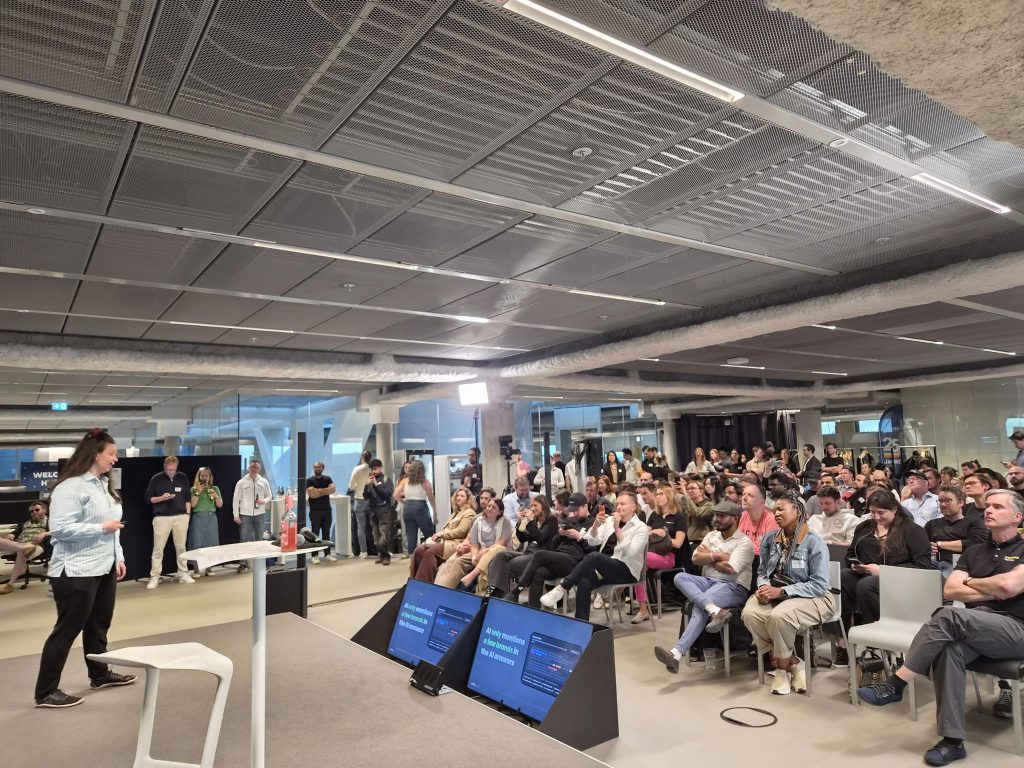
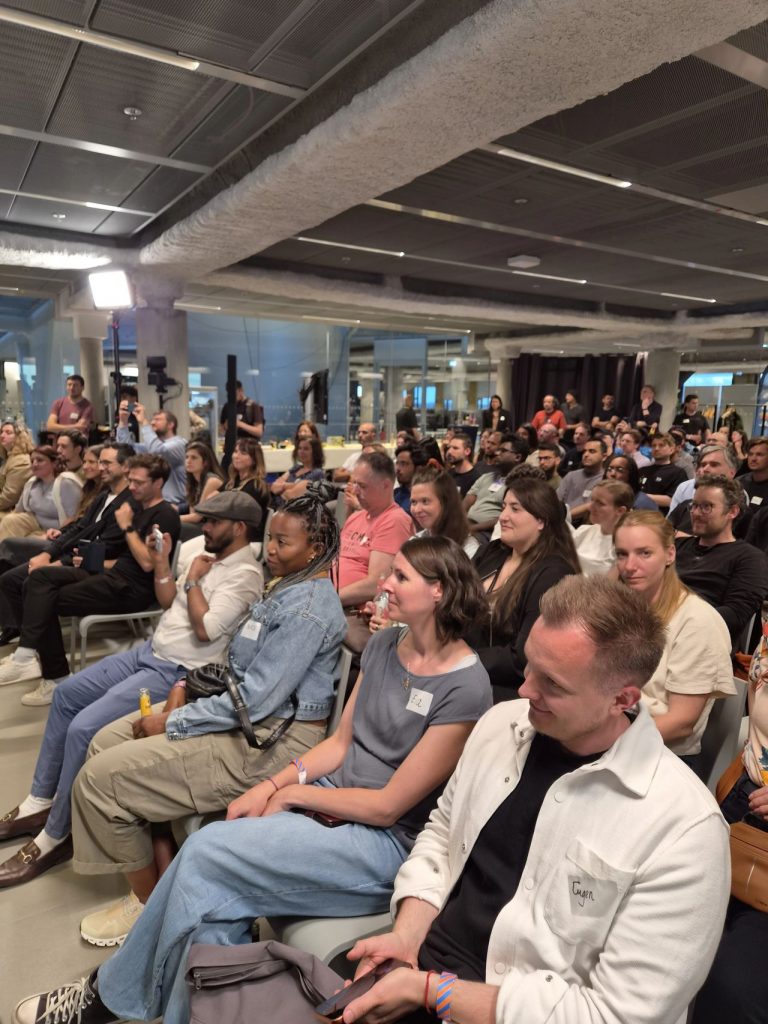
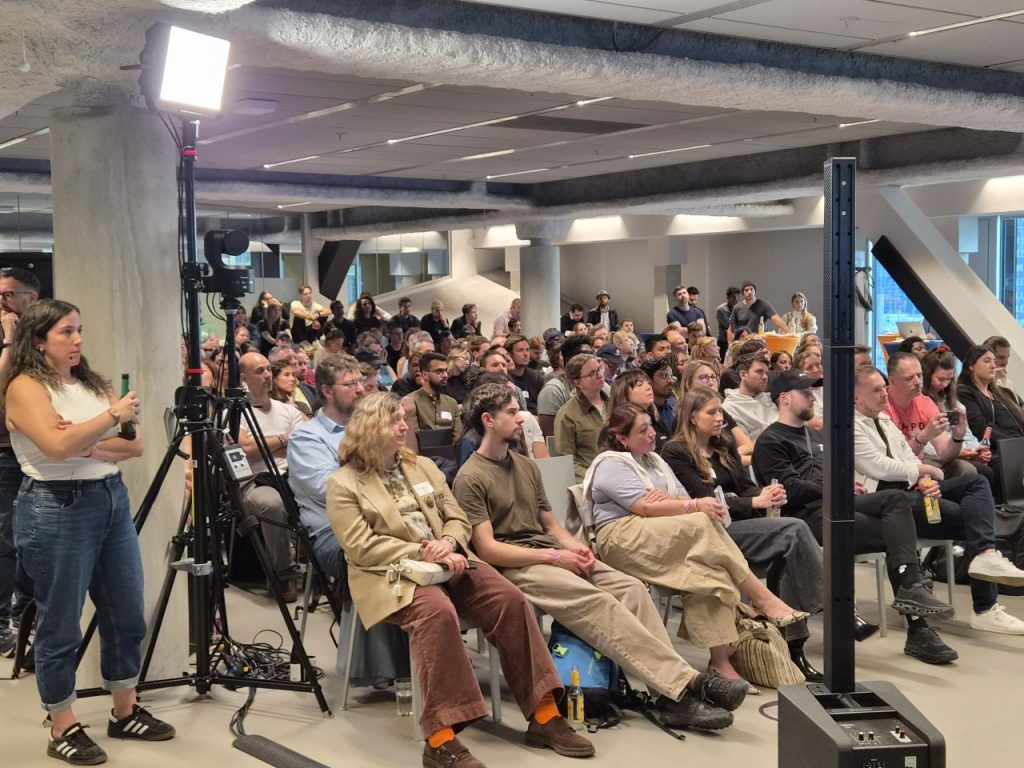
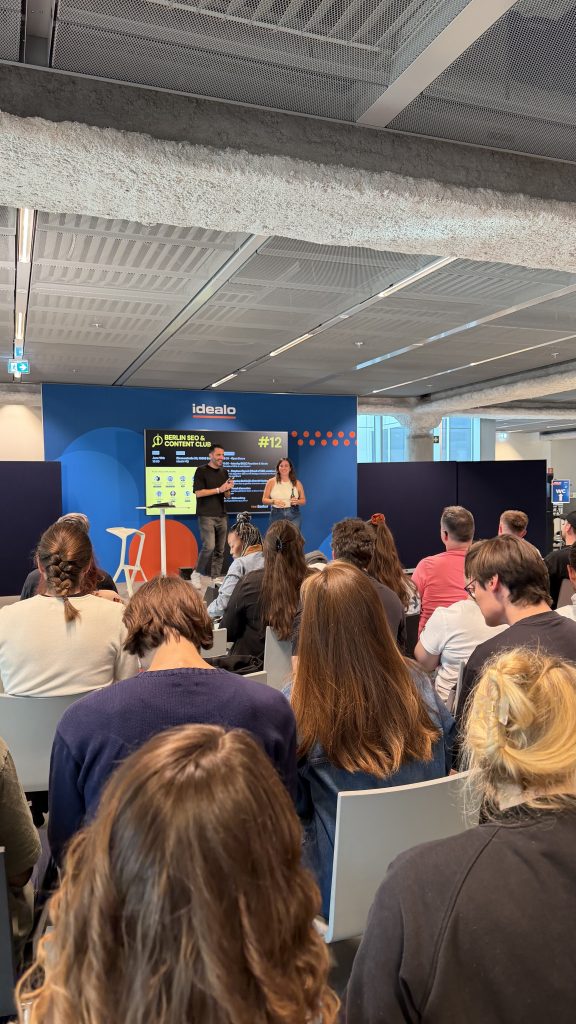
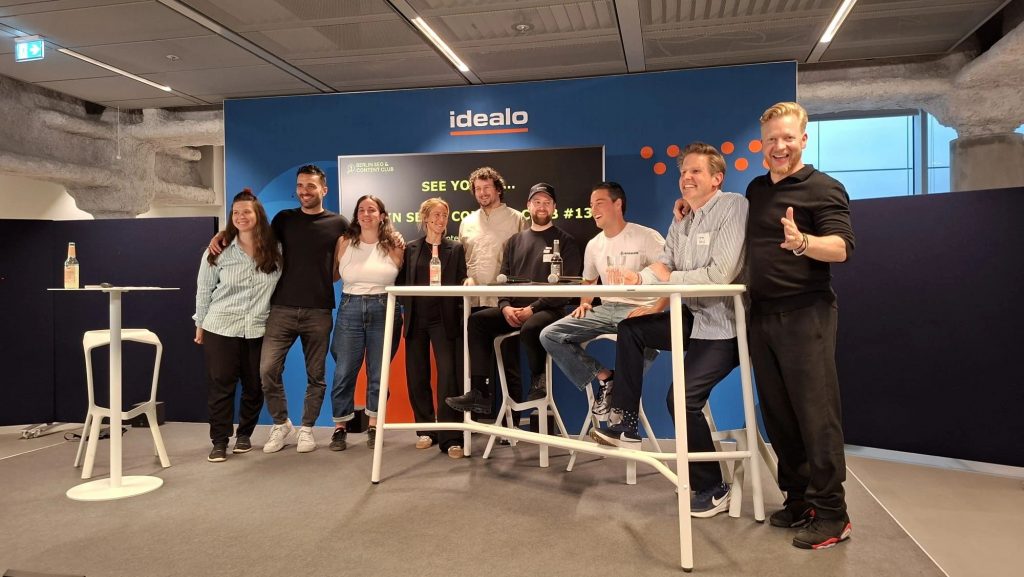
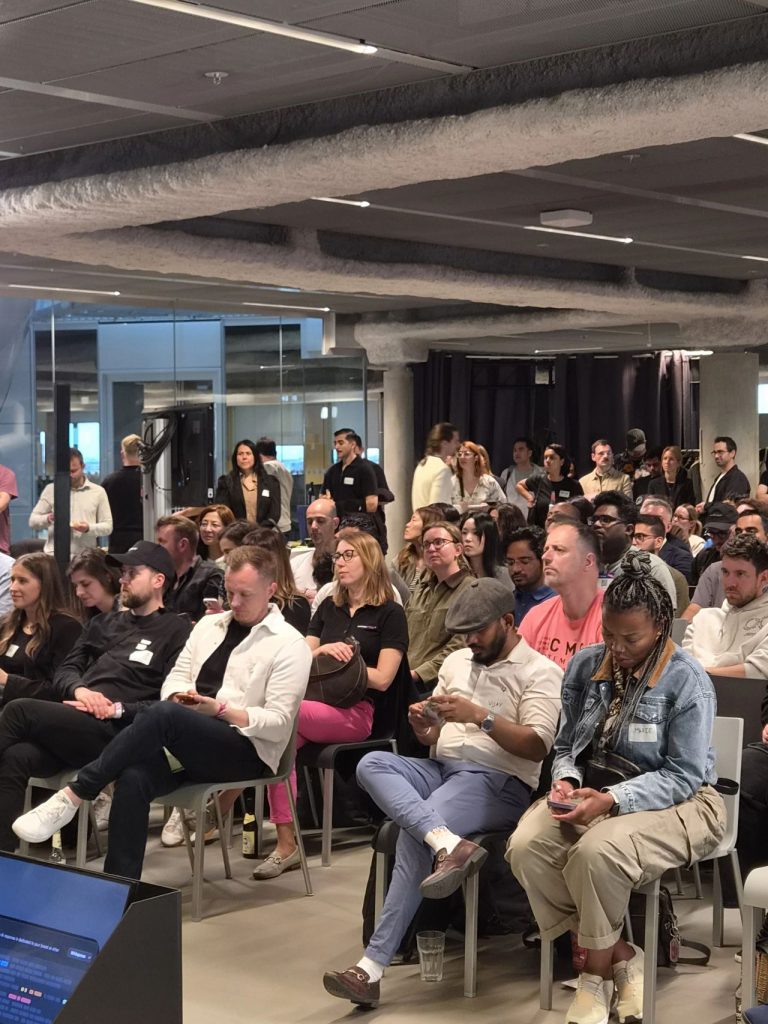
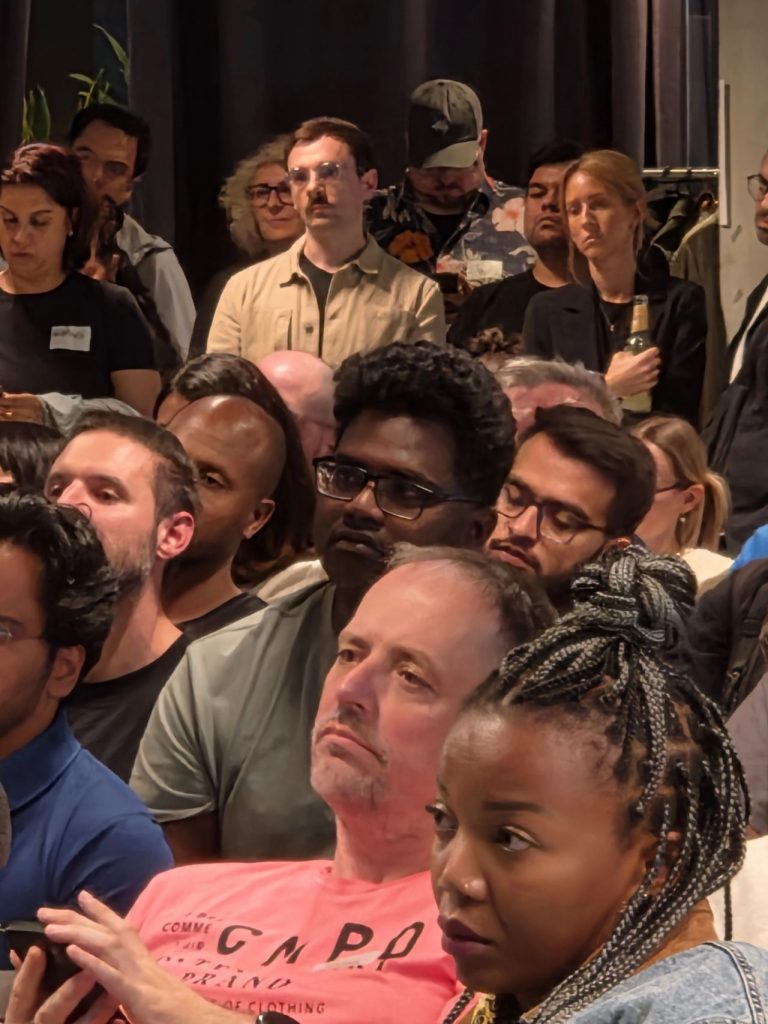
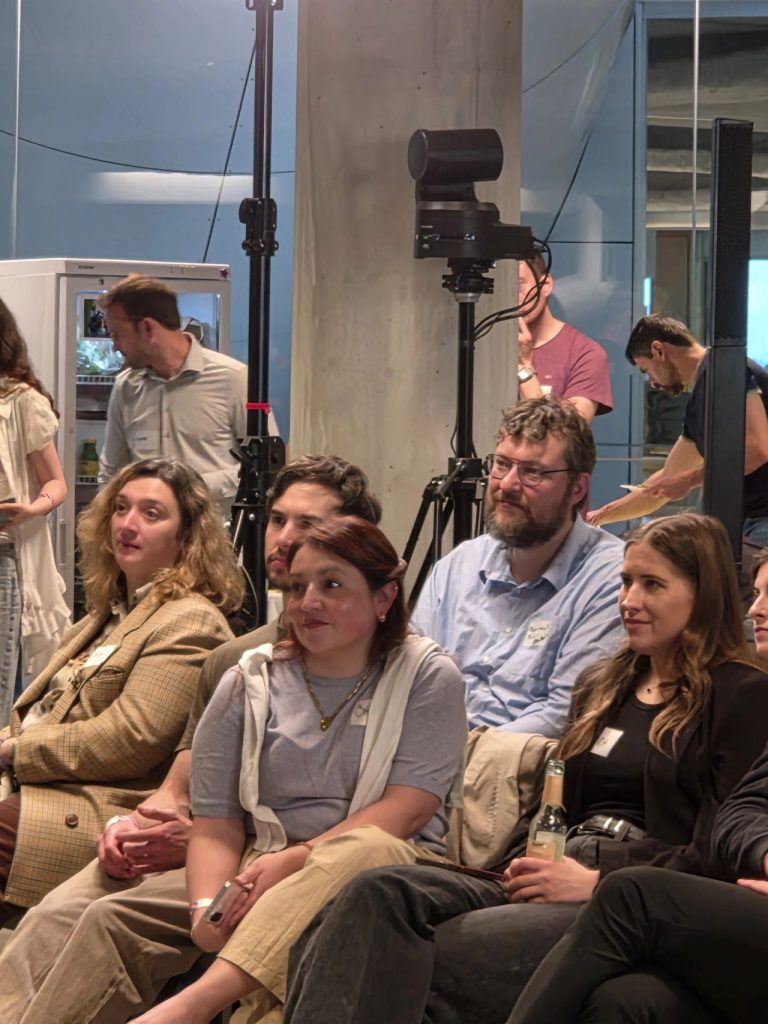
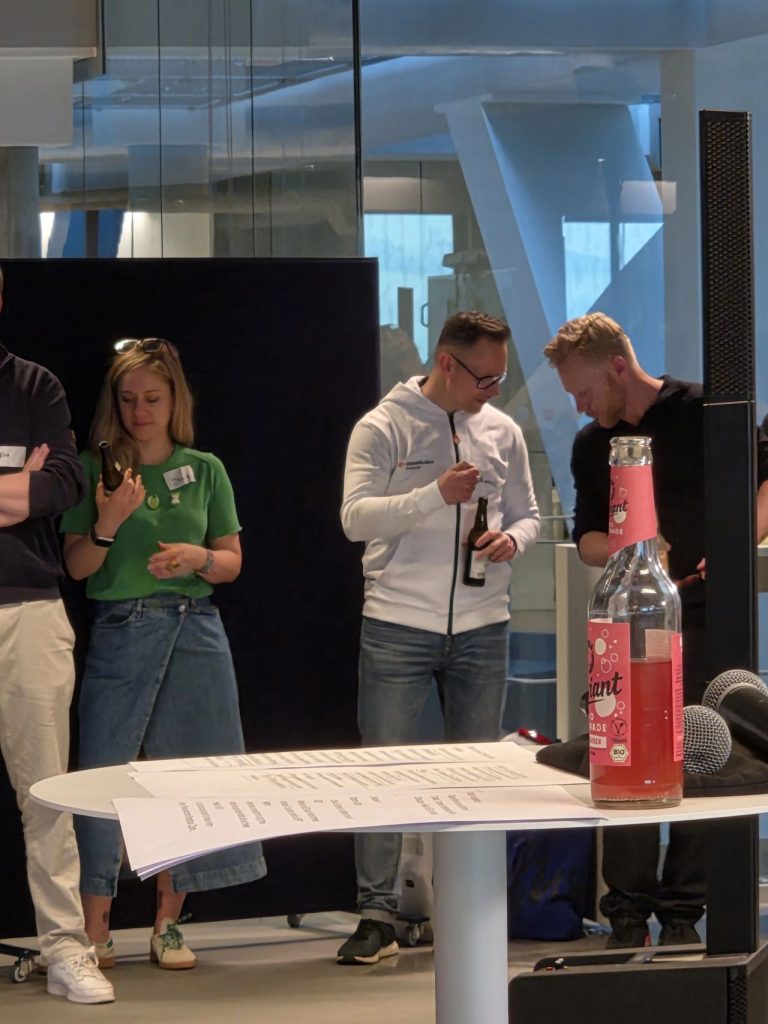
On June 10, 2026, the Berlin SEO & Content Club took over idealo HQ for its 12th edition. It was an evening spent confronting the uncomfortable truth that our old SEO playbooks are gathering dust while AI quietly rewrites the rules of the game. Amidst the food, drinks, and lively networking, we examined how AI is reshaping the way brands are discovered and why the old SEO playbook needs a fundamental rewrite.
Strategy, Brand, and the AI Shift at BSCC #12
This 12th edition had a clear goal: to challenge the industry to stop viewing SEO as an isolated channel. We moved beyond granular tactics to explore the strategic intersection of product, marketing, and brand. As AI models become the new gatekeepers of search, the conversation shifted toward how we can feed these hungry machines while maintaining a distinct and authoritative brand presence instead of losing our brand’s unique soul in the process.
SEO as a Strategic Connector by Stephan Czysch
Stephan Czysch opened the night with a provocative take on the current state of marketing. He argued that the industry is in the midst of a full-blown identity crisis, largely because we have spent years focusing on channel performance while creating organizational silos.
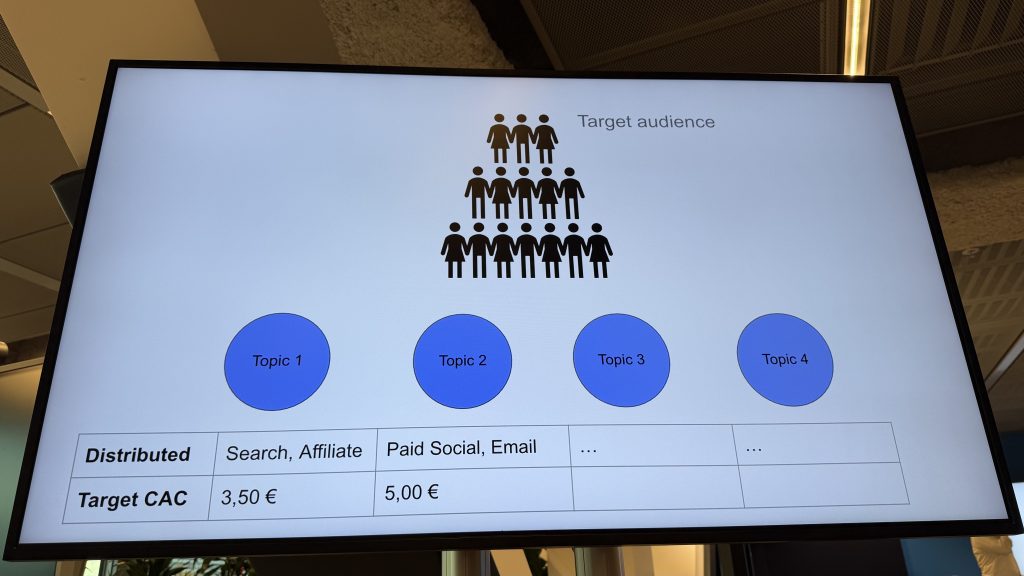
Stephan emphasized that distribution is not a differentiator. Instead, he challenged the audience to rethink SEO as a strategic glue that binds product development, marketing, and core brand identity together.
His core message was a wake-up call for the room. As the caretakers of the website, we have a responsibility to act as connectors within our organizations. We must stop obsessing over channel problems and start talking to the right stakeholders to align our search efforts with broader company strategy. In his view, most “SEO problems” are just business strategy issues wearing a disguise.
Feeding the Machine by Katarina Dahlin
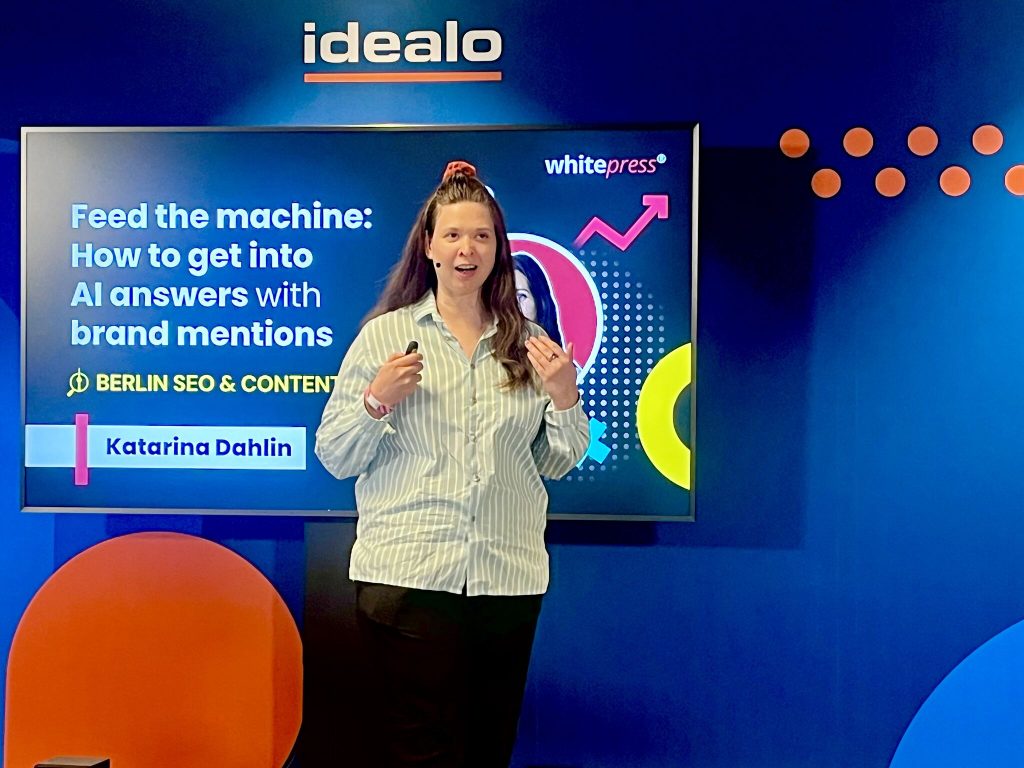
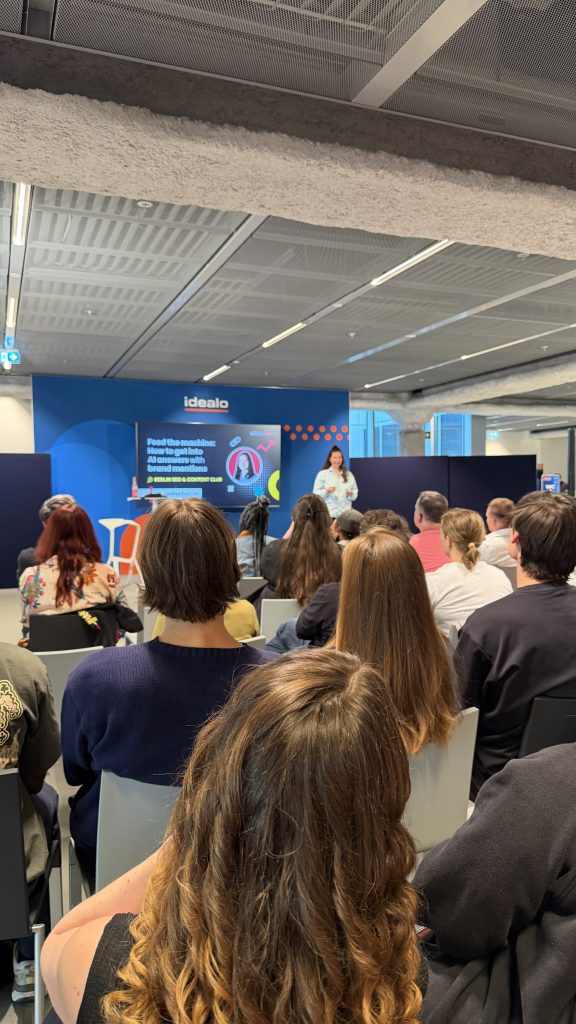
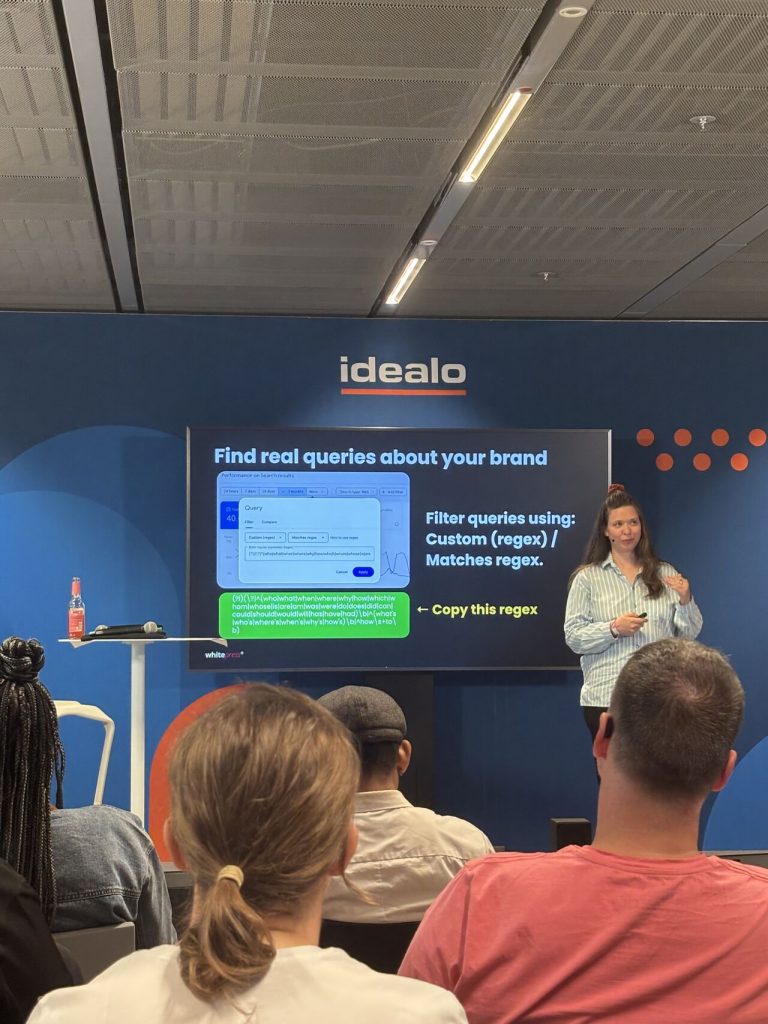
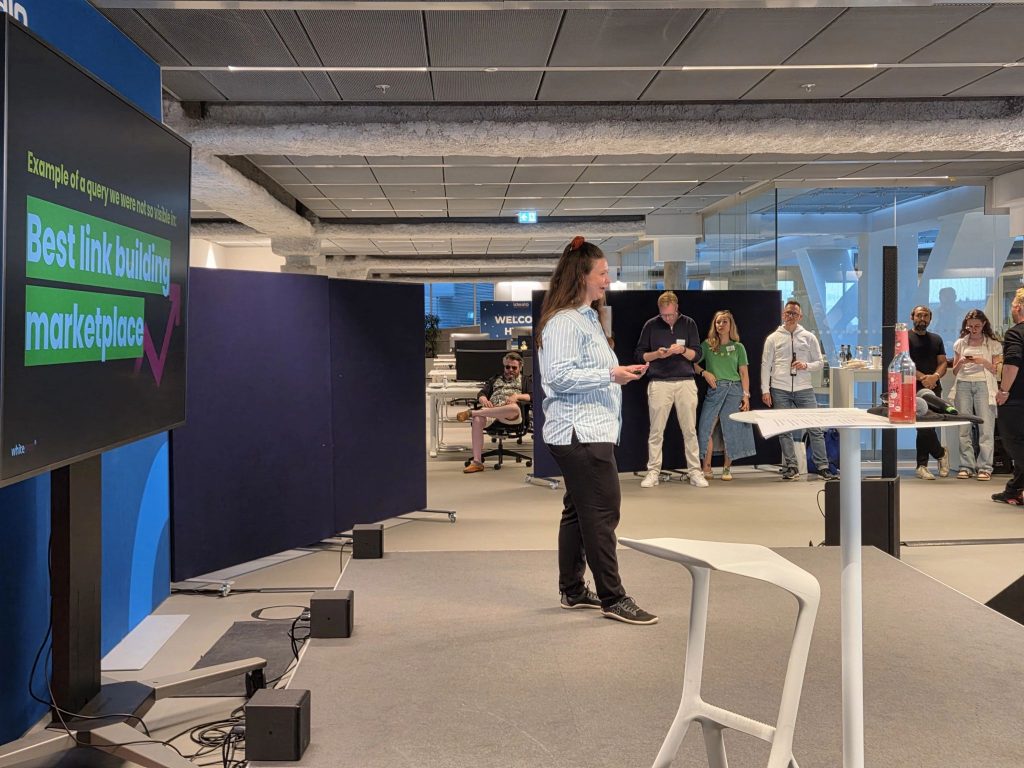
Once Stephan had sufficiently shaken up our priorities, Katarina Dahlin shifted our focus to the practicalities of Generative Engine Optimization. She walked the audience through the mechanics of how AI systems like ChatGPT, Gemini, and Perplexity synthesize information to build a picture of a brand.
Katarina cleared up a common misconception: being mentioned by an AI is not the same as being cited.
Brands are often referenced, but they frequently lack the critical link or the specific context that drives real value, making them essentially just background noise.
To stop being invisible and start being essential, Katarina introduced a five-step framework for AI visibility:
- Identify relevant user questions using tools like Google Search Console.
- Audit current brand visibility compared to competitors.
- Improve existing generic mentions that say absolutely nothing.
- Place new, high-quality mentions on domains that the AI actually trusts.
- Measure the results and repeat until it sticks.
Her advice on brand mentions was particularly striking. If a source provides a generic or “fluffy” description of your company, the AI will happily repeat that back to your potential customers. She encouraged the club to be clear, specific, and consistent in how we describe our brand. By feeding these models uniform, high-quality information, we can influence the way AI systems represent our brand to the world.
Searching for the New North Star: Insights from the Panel
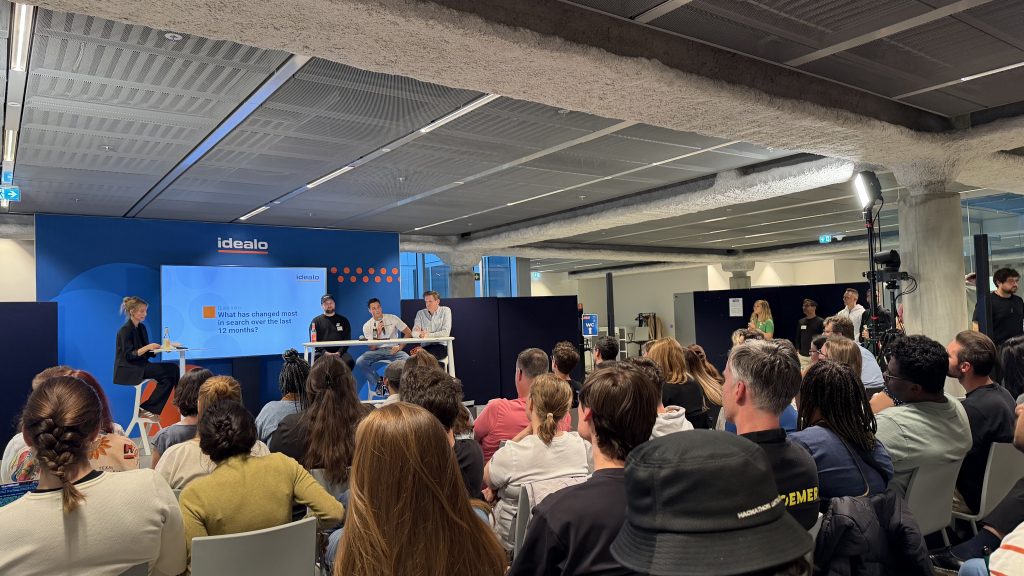
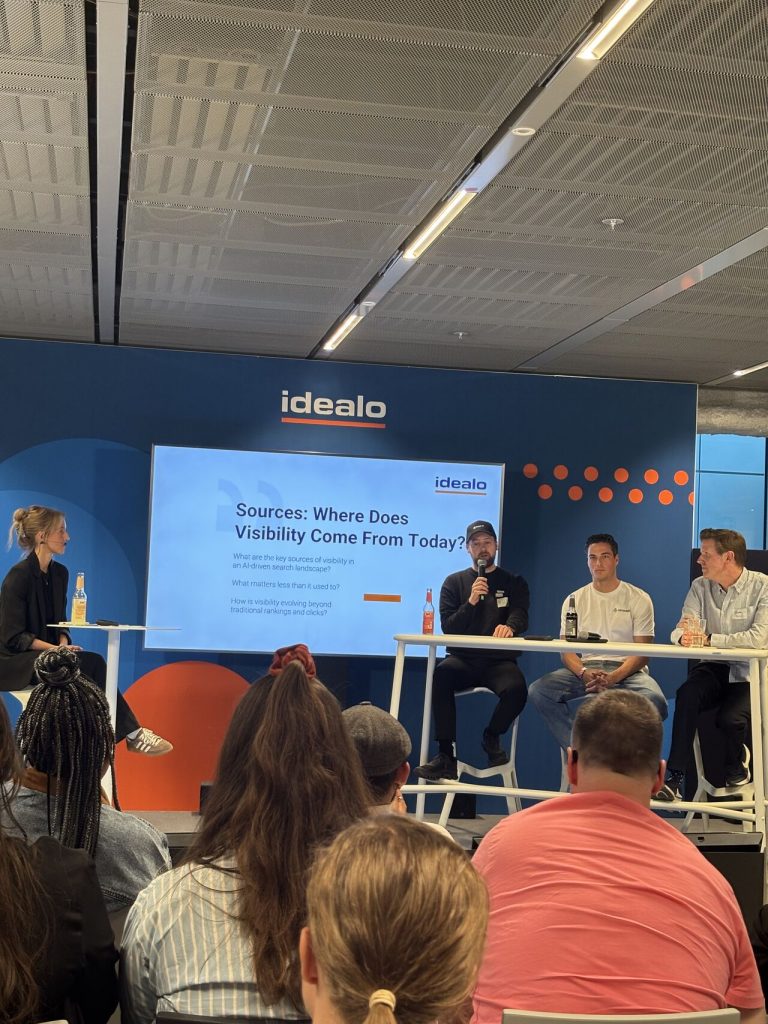
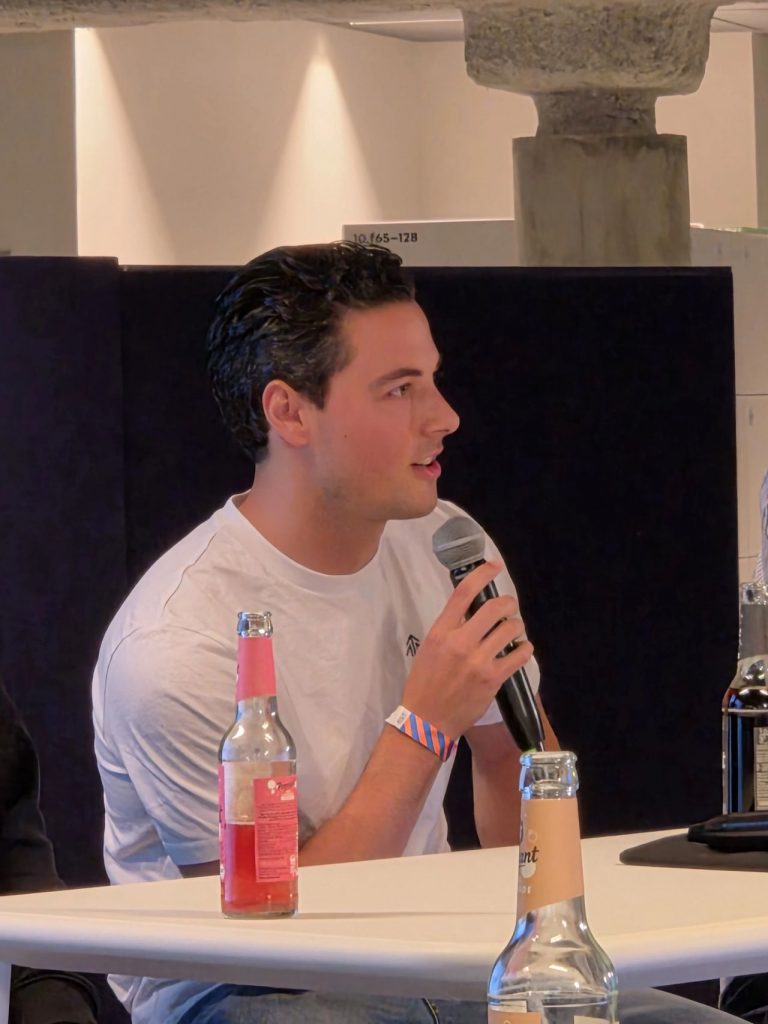
The evening concluded with a panel discussion on the frantic reality of the last 12 months, where the consensus was clear: the era of the “quick hack” is officially dead. We explored with our panelists Malte Landwehr, Jules de Bruin and Stephan Reiss what it takes to survive in a landscape where the traditional search result page is no longer the final stop on the journey. As Google and LLMs keep shifting the goalposts, the panel urged the community to abandon the “island” mentality and finally align SEO, content, and marketing departments into collaborative sprints. Success in this new era isn’t found in chasing every AI trend, but in establishing a long-term strategy, creating robust AI grounding pages, and mastering internal stakeholder management to tie all content strands together.
When it comes to measurement, the panel argued that we need to stop asking “where did you find us” and start asking “what did you prompt to find us?”.
By tracking sentiment scores, share of voice through prompt tracking, and even applying game theory to understand how LLMs satisfy user needs, we can move beyond traditional vanity metrics.
Ultimately, the panel reminded us that while SEO provides the essential grounding for AI, we must treat it as a serious marketing channel and stop waiting for a single, magical solution to do the heavy lifting for us.
The Future of Search
The 12th edition of the Berlin SEO & Content Club reinforced a shared sense of purpose. While the future of search looks a lot more complicated than it did a year ago, the energy in the room confirmed that the community is not just ready to adapt, but to lead the charge. We are moving toward a future where visibility is defined not just by clicks, but by trust, expertise, and the strength of our digital footprint.
Want to join the conversation, pressure-test your strategy, and grab a drink with the brightest minds in search?
Join the club on our frontpage to ensure you don’t miss the invite.
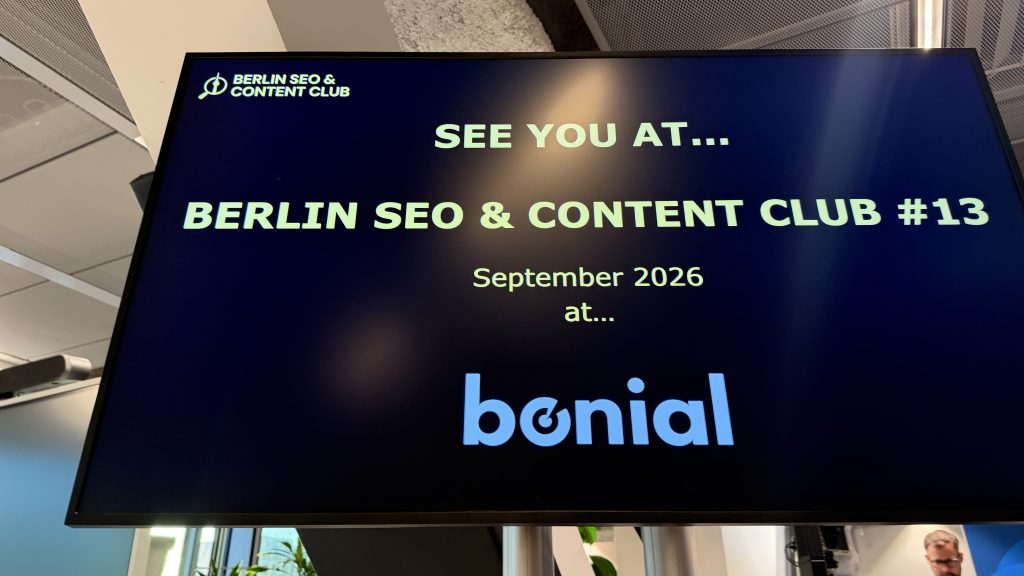
See you in September at bonial!